The Vendor Risk Blindspot: Protecting Enterprise Margins
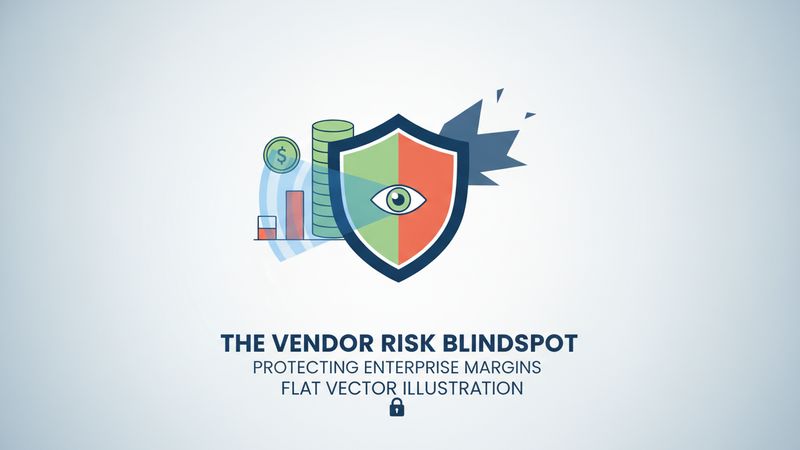
Third-party cyber risk is driving Canadian data breach costs to record highs. Learn how to eliminate vendor blindspots and protect your enterprise margins.
For mid-market and enterprise leadership, IT security is no longer confined to internal firewalls and corporate laptops. In today's hyper-connected economy, third-party cyber risk has emerged as one of the most critical vulnerabilities threatening operational resilience and balance sheets. When companies integrate external SaaS platforms, contract developer teams, outsourced billing gateways, and cloud plugins, they inadvertently expand their attack perimeter into environments they do not control.
According to recent industry benchmarks, the average cost of a data breach in Canada has surged past CA$6.98 million, even as global averages show signs of stabilizing. Business leaders across Ontario and Canada are finding that while their own internal defenses may pass standard audits, compromised credentials and unvetted third-party integrations across their supply chain create backdoor entries that bypass traditional security entirely.
The Real Cost of Third-Party Vulnerabilities
When an external supplier or cloud integration suffers an incident, the financial and reputational fallout falls directly on your organization. The operational friction and direct financial loss stemming from vendor vulnerabilities manifest across several high-impact areas:
- Cascading Downtime and Business Interruption: A compromised vendor service often requires immediate severance of APIs and integrations, freezing order fulfillment, billing pipelines, or customer portals for days.
- Unbudgeted Remediation and Legal Exposure: Canadian businesses spent over CA$1.2 billion in cyber recovery costs in recent cycles. Under evolving Canadian privacy regulations like Quebec's Law 25 and expanding federal oversight, companies face steep penalties if customer records are exposed through third-party supply chain lapses.
- Identity and Credential Exploitation: Research shows that over 67% of investigated cyber incidents originate through identity-based vectors and session hijackings, frequently introduced through trusted partner logins with excessive administrative privileges.
Consider a mid-size logistics provider in Toronto that connects its proprietary scheduling platform to a third-party fleet-tracking tool via custom APIs. When the vendor's database is compromised due to weak access management, attackers pivot directly into the logistics firm's core ERP system. The incident halts cross-border dispatch operations for 72 hours, triggers customer breach notifications, and racks up hundreds of thousands of dollars in emergency digital forensics.
Why Traditional Vendor Checklists Fail
Most organizations attempt to manage supply chain risks with annual security questionnaires. While procurement teams check off compliance boxes, these static assessments fail to protect operational margins for three key reasons:
1. Point-in-Time Visibility vs. Continuous Drift
A security survey completed during vendor onboarding captures a single moment. Software dependencies change constantly; libraries get updated, new cloud permissions are granted, and contractor access lingers long after projects conclude.
2. Over-Privileged Integrations
Software vendors routinely request broad read/write API access to enterprise databases when only limited query access is necessary. Without granular technical governance, a compromise of the vendor's infrastructure grants threat actors full administrative control over your internal records.
3. Shadow Integrations and SaaS Sprawl
Business units frequently adopt niche tools, analytics trackers, and browser plugins without IT oversight. These unmonitored digital connections create an invisible attack surface that evades central monitoring protocols.
A Pragmatic Framework to Eliminate Vendor Risk
Securing your extended digital ecosystem does not require grinding business velocity to a halt. Executive leaders can establish defensible, cost-effective governance by applying modern architectural controls:
Enforce Zero Trust Architecture Across External Connections
Treat every external software integration and API key as untrusted by default. Enforce least-privilege access policies, ensuring third-party tools only access the specific data payloads required for their immediate function. Rotate integration tokens regularly and mandate hardware-backed multi-factor authentication for all vendor accounts.
Conduct Technical Dependency Audits
Move beyond paper questionnaires to automated dependency scanning. Regularly audit your digital supply chain, mapping third-party software libraries, SaaS webhooks, and data conduits. Identifying unused or end-of-life vendor integrations allows you to eliminate attack vectors before they can be exploited.
Embed Security Governance into Procurement and Development
Security reviews should be embedded into your engineering lifecycle and software procurement processes. By establishing clear architecture review standards for all incoming software, you ensure that new digital tools strengthen operational efficiency rather than creating systemic risk.
Building Resilient, Secure Digital Infrastructure
Managing third-party cyber risk is ultimately a matter of building software systems that isolate failure and defend critical business data. Organizations that architect secure integration layers and conduct proactive system audits insulate themselves from supply chain shocks while building long-term customer trust.
For mid-market companies in Toronto and across Canada looking to modernize legacy architecture, secure software integrations, and eliminate costly vulnerabilities, partnering with an experienced engineering team is essential. Arepitas Technologies Inc helps growing enterprises architect resilient software ecosystems, streamline custom integrations, and establish robust, high-performance systems designed for long-term growth.
Sources
Need help with cybersecurity?
Arepitas Technologies Inc helps companies in Toronto build software, AI features, and digital products that scale.
Book a Free ConsultationRelated Articles
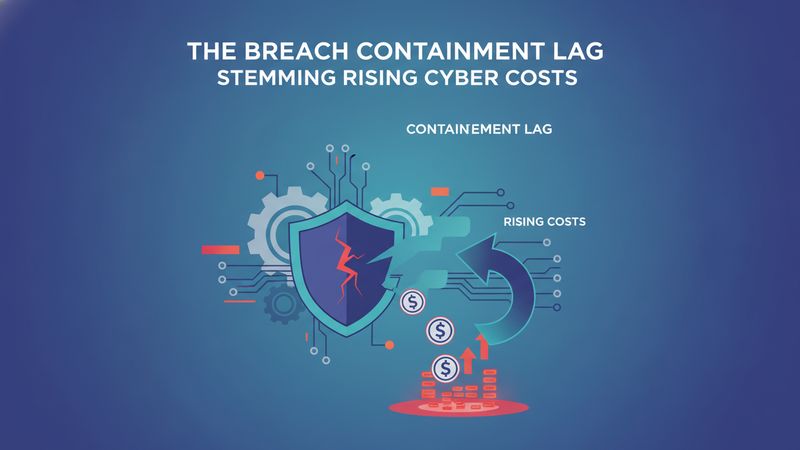
The Breach Containment Lag: Stemming Rising Cyber Costs
With Canadian data breach costs reaching CA$7.11M, a prolonged breach containment lag drains company margins. Here is how leaders regain operational control.
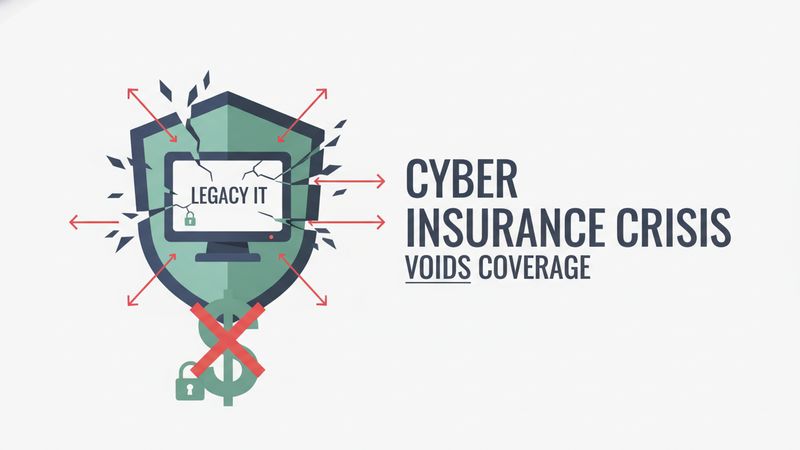
The Cyber Insurance Crisis: Why Legacy IT Voids Coverage
Strict cyber insurance audits are penalizing legacy systems with massive premiums. Here is how Canadian leaders can modernize to safeguard enterprise coverage.
Shadow AI Governance: Securing Unvetted Enterprise Agents
Enterprise shadow AI governance is now urgent as power users and unvetted agents bypass IT security, escalating corporate data leakage and compliance risks.